When you think of lice, you probably picture kids scratching their heads or schools sending home those dreaded notices about head lice outbreaks. But what if I told you that your pets could get lice too? Yep, that’s right—your furry friend, whether it’s a dog or a cat, can become a target for these tiny, pesky pests. Pet lice might not be something most pet owners expect, but trust me, it’s something worth knowing about.
I know, the thought of lice on your pet sounds a bit alarming, but the good news is, with the right knowledge and treatment, you can say goodbye to these little invaders and keep your pet comfortable and healthy. In this blog, I’ll walk you through what pet lice are, how to spot them, and how to get rid of them. I’ll even dive into the life cycle of lice, explain the difference between dog lice and human lice, and talk about how professional lice exterminators can help in more severe cases. Time to find out all about it.
What Are Pet Lice?
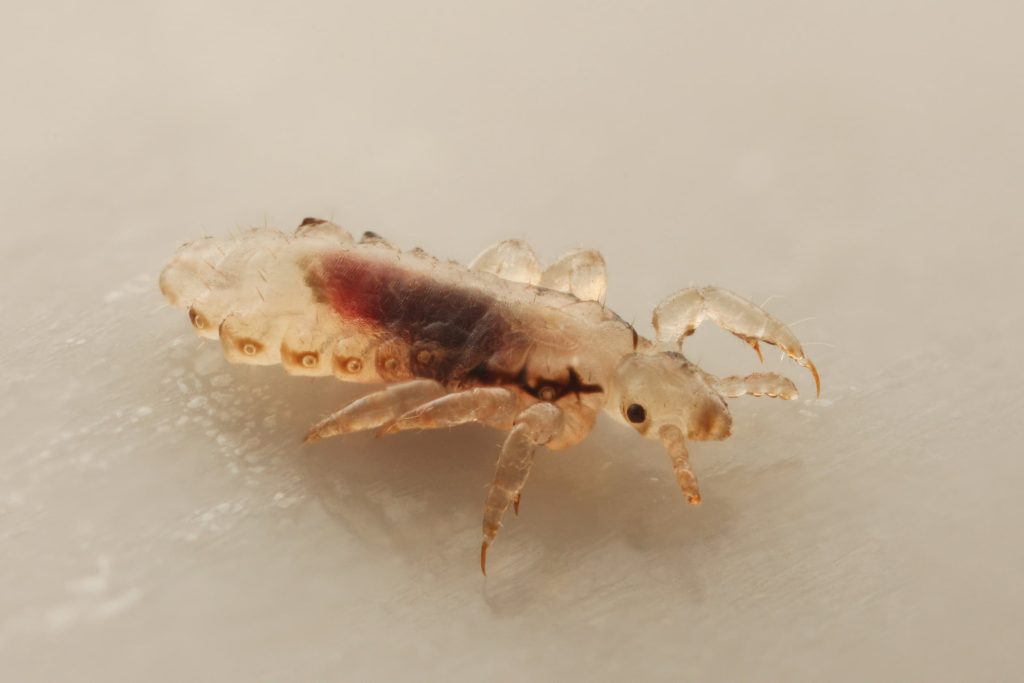
Pet lice are parasitic insects that live on the fur and skin of dogs, cats, and other animals. They can cause irritation and discomfort, leading to scratching, hair loss, and other signs of distress in your pets. Lice are species-specific, meaning the lice that affect pets are different from those that infest humans. These do not spread from humans to animals, and vice versa, as lice are specific to the species they infest.
There are two main types of lice that affect pets:
- Chewing lice: These lice feed on the skin and debris found in the pet’s fur.
- Sucking lice: These lice feed on the blood of the pet.
While lice can cause discomfort, they are not known to transmit diseases like some other pests (such as fleas or ticks). However, lice infestations can lead to secondary infections due to the irritation and scratching that they cause.
Types of Lice That Affect Pets
-
Dog lice: The most common lice found on dogs are chewing lice, but dogs can also suffer from sucking lice. The louse species most commonly affecting dogs is Trichodectes canis.
-
Cat lice: Cats are less commonly affected by lice than dogs, but they can still fall prey to these pests. Most lice infestations in cats are chewing lice.
Can Pets Get Lice?

Credit: blog.justfoodfordogs.com
Yes, pets can get lice. They typically get lice through direct contact with other infested animals. For example, your pet might catch lice from playing with another dog at the park or if they live in an environment where other animals are already infested. Lice are not transmitted through the environment, so your pet would need to come into close contact with an infected animal to become infested.
While lice in pets is more common in animals that live in shelters, kennels, or breeding environments, it can also happen in homes with multiple pets. The good news is that lice are relatively easy to treat, and with proper prevention, they can be kept at bay.
Signs Your Pet Might Have Lice
If you suspect that your pet may have lice, there are several signs to look out for. Infestations can cause your pet to become itchy and uncomfortable. Common signs of lice in pets include:
- Excessive scratching or grooming
- Hair loss or thinning fur
- Visible lice or eggs (nits) on the fur
- Red, irritated skin from scratching
- Restlessness or discomfort
- Secondary infections from open sores caused by scratching
If you notice any of these symptoms, it’s essential to check your pet carefully for them and seek treatment promptly. If left untreated, a louse infestation can worsen and lead to additional health problems.
The Life Cycle of Pet Lice
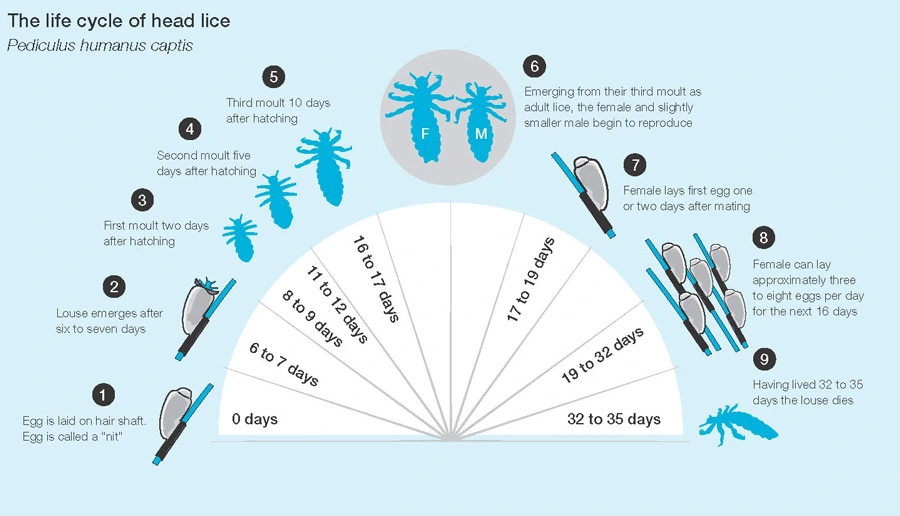
Credit: liceboutique.com
Understanding the life cycle of lice can help you identify an infestation and treat it effectively. Lice go through three stages in their life cycle:
- i. Eggs (Nits): Lice eggs, also known as nits, are laid on the fur of the pet, typically near the base of the hair follicles. They are small, oval-shaped, and sticky. Nits hatch within 7-10 days, depending on environmental conditions.
- ii. Nymphs: After hatching, the nymphs (immature lice) emerge. They are smaller than adult lice but look similar. Nymphs feed on blood or skin debris and mature into adult lice in about 1-2 weeks.
- iii. Adults: Adult lice are fully mature and begin to lay eggs of their own. An adult louse can live for about 30 days on the pet. During this time, they continue to lay eggs, which perpetuates the infestation.
Lice can spread quickly if not treated, so it’s important to act fast when you suspect a lice problem.
Pet Lice Treatment
The good news is that treating lice is relatively straightforward. The treatment will depend on whether your pet has chewing or sucking lice. Here are some common treatment options:
A. Topical Treatments
Topical treatments, such as shampoos or sprays designed for lice removal, are effective for killing lice on contact. These treatments are easy to apply and can be found at most pet stores or through your veterinarian. Some products will also help prevent future infestations.
B. Prescription Treatments
In severe cases, your veterinarian may prescribe stronger treatments, such as oral medications or insecticide treatments that are more effective in eliminating lice. These treatments can target the lice at various stages of their life cycle, including eggs.
C. Flea and Tick Medications
Some flea and tick medications can also help with lice infestations. However, it’s important to consult with a veterinarian to ensure that the treatment you use is safe for lice control and not just for fleas or ticks.
D. Cleaning Your Home
In addition to treating your pet, it’s important to clean your home thoroughly. Wash your pet’s bedding, toys, and grooming tools regularly to avoid re-infestation. Lice don’t live long in the environment, but taking these precautions will help ensure that your home remains lice-free.
Can Lice Come from Pets to Humans?
Credit: licedoctors.com
While lice are species-specific, human and pet lice are different. Pet lice do not typically infest humans, and human lice cannot infest pets. Lice are generally host-specific, meaning lice that affect dogs or cats will not survive on humans, and vice versa. However, it’s important to maintain proper hygiene and keep both your pets and home clean to avoid the spread of lice and other pests.
If you’re wondering, do exterminators spray for lice? — the answer is generally no. Exterminators focus on pests like insects or rodents, but lice require specific treatments for pets and are best handled by a veterinarian or using over-the-counter treatment products.
Preventing Pet Lice Infestations
Prevention is always better than cure. Here are some simple steps to help prevent infestations in pets:
- Regular Grooming: Grooming your pet regularly allows you to check for signs of lice early on. Brush their fur thoroughly and look for lice or eggs.
- Limit Contact with Other Animals: Avoid letting your pets interact with other infested animals, especially in public places like parks or boarding facilities.
- Keep Your Home Clean: Clean your home regularly and wash your pet’s bedding and grooming tools.
- Regular Vet Checkups: Regular checkups with your veterinarian can help catch any lice infestations early and prevent the spread.
The Bottom Line
Lice may be annoying, but with the right treatment, your pets can be free from these tiny invaders in no time! Don’t let lice get in the way of enjoying your time with your furry friends.
FAQ’s
Here’s a quick look at some frequently asked questions.
Can pets get lice?
Yes, pets can get lice, especially dogs, but not typically cats.
Do pets carry head lice?
No, pets don’t carry human head lice—lice are species-specific.
How can I treat my dog for lice?
Use topical treatments, flea medications, or vet-prescribed options.
Can lice come from pets?
Yes, lice can spread from direct contact with infested animals.
What’s the life cycle of pet lice?
Pet lice go through three stages: eggs, nymphs, and adults, living about a month.
For more information on pest control and common house pests, check out the pest control commercial services or consider enrolling in pest control classes here.